How Much Does an Autism Evaluation Cost?
Discover how much autism evaluation costs and explore financial assistance options for your family’s peace of mind.


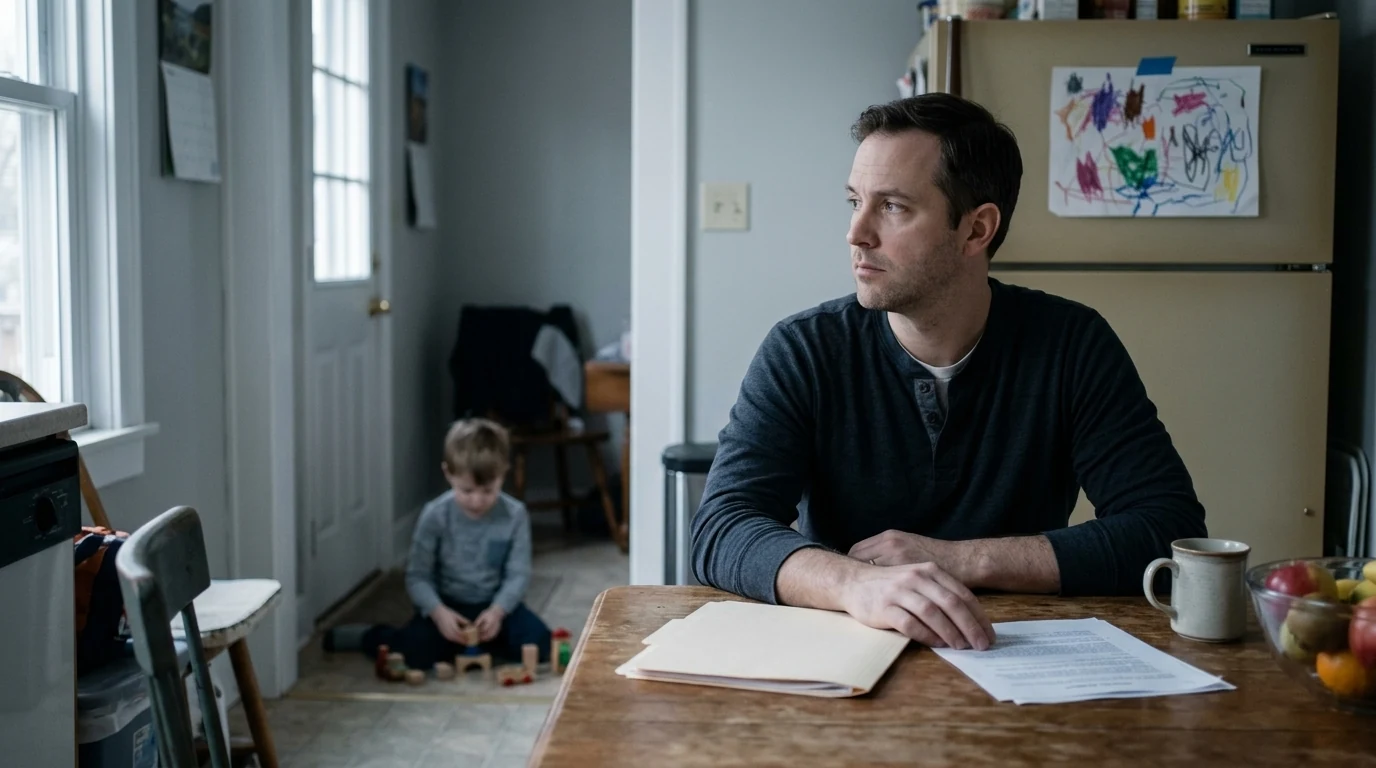
The thought you keep having, the one you have not said out loud, is whether the evaluation cost is what is stopping you from booking. You can see your child needs the appointment. You called once already and hung up before the receptionist picked up because you did not want to know the number.
The honest cost of an autism evaluation in the United States runs from a few hundred dollars to several thousand, depending on who performs it, what kind of assessment you need, and what your insurance plan does with the bill. Here is the real range, what insurance typically covers, and what most families end up paying out of pocket once everything settles.
Understanding Autism Evaluation Costs
Evaluating autism is the entry point for almost every other support and service you might want for your child: school accommodations, therapy approvals, insurance coverage, state programs. Without an evaluation, most of those doors stay closed. Understanding what the assessment will cost helps you plan and reduces the friction of getting started.
Types of Autism Evaluations
Several types of evaluations serve different purposes in assessing autism. Most families encounter one or a combination of:
- Developmental screenings (often free or low-cost, conducted by a pediatrician)
- Diagnostic evaluations (a deeper assessment leading to or ruling out a diagnosis)
- Developmental evaluations (a wider look at cognitive, social, and emotional functioning)
- Comprehensive evaluations (the most thorough option, often involving multiple specialists)
Each serves a different need and carries a different price tag. The right one for your family depends on what questions you are trying to answer, what your insurance will cover, and what next steps you are planning for.
Average Cost Range
Cost of an autism evaluation varies widely based on location, the professionals involved, the depth of the assessment, and your insurance situation. Recent industry estimates put the average cost of a full autism evaluation between $1,000 and $2,000, though costs can run from $1,500 to as high as $5,000 depending on complexity and location.
For families weighing what to expect, the next section breaks down per-evaluation-type pricing in more detail. Coverage from insurance plans can significantly affect what you actually pay, since some plans cover the entire evaluation while others have restrictions or pre-authorization requirements.
For additional planning resources, parents can consult our autism treatment evaluation checklist or explore options for a virtual autism evaluation, which can offer different pricing and added convenience.
Factors Influencing Evaluation Costs
Parents often ask why one provider quotes $900 for an evaluation while another quotes $4,500 for what sounds like the same thing. The real answer comes down to two things: where the evaluation happens, and how the insurance side of it gets handled. Here is how each affects what your family ultimately pays.
Geographic Location Impact
The cost of autism assessments varies significantly based on geographic location. Urban areas tend to have higher evaluation fees, reflecting higher cost of living and stronger demand for specialized professionals.
Rural areas tend to offer lower fees but may have longer waitlists or limited access to qualified evaluators.
A full autism evaluation can range from a few hundred dollars to several thousand depending on the professionals involved, the scope of the assessment, and the local market. Understanding these differences helps families plan realistically.
Insurance Coverage Factors
Insurance coverage is the single biggest factor in what families actually pay for an autism evaluation. Coverage varies widely: some plans cover evaluations in full, others impose limitations on the number of assessments or the type of provider that qualifies. Deductibles, copayments, and coinsurance can shift out-of-pocket expenses significantly.
Some insurance plans offer sliding-scale fees or financial assistance programs to help offset evaluation costs. It is worth contacting your insurance provider before you book to confirm what is covered, whether pre-authorization is required, and what your share of the cost will be. The table below outlines common insurance terms that shape the cost picture:

Insurance check
Do we take your insurance?
Pick your state and plan to see if we accept it for in-home ABA therapy in New Jersey, Georgia, or North Carolina.
No sign-up needed. We don't store anything you enter here.
Insurance can be confusing to navigate, so it helps to talk to your provider's billing team before the appointment rather than after. For additional resources, see our autism treatment evaluation checklist or explore virtual autism evaluation options.
Average Costs of Specific Evaluations
When considering an autism evaluation, it helps to understand that different types of assessments carry different price points. Below are typical industry-reported ranges for the three most common formats.
Diagnostic Evaluation
A diagnostic evaluation focuses specifically on determining whether a child meets criteria for an autism diagnosis. It typically involves a qualified professional (a developmental pediatrician, psychologist, or neuropsychologist) reviewing the child's history, observing behavior, and conducting standardized assessments.
Type of EvaluationAverage CostDiagnostic Evaluation$1,000 - $3,000
The exact cost varies by location, the credentials of the evaluator, and the assessment tools used. For preparation guidance, see our autism treatment evaluation checklist.
Developmental Evaluation
A developmental evaluation assesses a child's broader development, including cognitive, social, emotional, and adaptive functioning. It typically involves a team of professionals and a longer assessment process, which is reflected in the cost.
Type of EvaluationAverage CostDevelopmental Evaluation$1,500 - $4,000
Costs vary based on the evaluator's experience, the depth of the assessment, and geographic location.
Comprehensive Evaluation
A comprehensive evaluation combines elements of diagnostic and developmental assessment. It often involves multiple specialists (a psychologist, a speech-language pathologist, an occupational therapist) and takes place over several appointments. The breadth of the assessment is reflected in the higher cost.
Type of EvaluationAverage CostComprehensive Evaluation$2,500 - $5,000
These comprehensive workups tend to sit at the higher end of the cost spectrum. For families considering remote alternatives, see our article on virtual autism evaluation.
When comparing evaluators, the cost difference between a focused diagnostic evaluation and a comprehensive multidisciplinary one often reflects how much information you will walk away with. If you only need the diagnosis to access services, a diagnostic evaluation may be enough. If you also want a roadmap for therapy and education, a comprehensive evaluation may be worth the additional spend.
Financial Assistance and Support Programs
Navigating the costs of autism evaluations can feel daunting, but several financial paths exist to lower what families actually pay. Most families combine two or three of the resources below.
Insurance Coverage Details
Insurance coverage for autism diagnostics and treatment is widely available in the United States, with most plans required to cover diagnostic evaluations, behavioral health services, and related therapies such as speech-language therapy and occupational therapy. Plans may have pre-authorization requirements, eligibility criteria, and limits on the number of assessments or therapy sessions provided. Reviewing your specific plan before booking helps clarify what to expect.
| Insurance Type | Coverage Elements |
|---|---|
| Private Insurance | Diagnostic evaluations, therapy sessions |
| Medicaid | Diagnostic assessments, related services for eligible individuals |
| Employer Health Plans | Varies; often includes behavioral health services |
Medicaid and State Programs
Medicaid and state programs provide essential financial assistance for families pursuing autism evaluations, particularly for children with developmental disabilities or families facing financial hardship. Medicaid programs typically cover diagnostic assessments and related services based on eligibility criteria. State-level programs aim to ensure access to necessary evaluations without overwhelming out-of-pocket costs.
Medicaid Waivers, also known as 1915(c) Home and Community Based Services, are available in most states. They support individuals with developmental disabilities in their homes or communities and often cover medical treatments, respite care, transportation, and in-home support.
| Program Type | Benefits |
|---|---|
| Medicaid | Diagnostic assessments, therapies, financial assistance |
| Medicaid Waivers | Medical treatments, respite care, community support |
Grants and Scholarships
Various organizations offer grants and scholarships specifically designated to support families with autism-related expenses, including evaluations. These funds can ease the cost of getting started. Community Action Agencies also help by administering assistance programs (rental help, emergency aid) for low-income residents.
CARE Family Grant Program
The CARE Family Grant Program, administered by Autism Speaks, supports families with an autism diagnosis. The program assists with evaluation costs, therapy sessions, and even autism-focused summer camps. Grants are paid directly to the vendor or service provider for services families use.
Social Security Disability Insurance (SSDI)
Social Security Disability Insurance (SSDI) provides benefits for disabled adults whose disability began before age 22. Benefits are based on the parent's Social Security earnings record and continue as long as the individual remains disabled. SSDI can be a useful resource for families of older individuals with autism, including young adults transitioning from pediatric to adult services.
Supplemental Security Income (SSI)
Supplemental Security Income (SSI) is a federal program that provides monthly payments to individuals who are aged, blind, or disabled. Individuals with autism may qualify for SSI based on functional limitations and family income, and SSI eligibility typically pairs with Medicaid coverage in most states. For many families, this combination meaningfully reduces both the evaluation cost and the cost of services that follow.
Most families on our caseload combine insurance with at least one of these aid options. The work of mapping it out is real, but the savings are usually worth the hour or two it takes to call your insurance company and the relevant state agency.
For more on specific evaluation types and what they involve, see the breakdown above, or explore remote options through our article on virtual autism evaluation.
Why Mastermind Behavior
Mastermind Behavior is a BCBA-owned and operated in-home ABA therapy provider for families in New Jersey, Georgia, and North Carolina, from the first evaluation through early intervention services in Georgia. Our BCBAs design every treatment plan, and our Behavior Technicians (BTs) run the actual sessions in the rooms where children live and learn (kitchen, living room, backyard, bedroom, wherever the day actually happens). Parent training coaches sit at the table with you, so the skills our team builds during the week are the same ones working at the dinner table on Saturday night. We are BCBA-owned, which means clinical decisions stay with clinicians, and the people deciding how many hours your child gets, how those hours are spent, and how progress is measured are the same people accountable for the results. Before therapy, before insurance approval, before anyone debates how many hours your child should get a week, there is the evaluation itself, and the cost of that step is what stops some families from even starting. With a 90%+ staff retention rate and no onboarding waitlist, most families begin direct services within six weeks of their initial assessment.
If the evaluation cost is the thing keeping your family on the fence, we can talk through what your insurance plan typically does with an autism evaluation, what a next step looks like if the out-of-pocket number is what is in the way, and how families on our caseload have moved forward when the up-front cost felt too steep. Schedule a free consultation or call 732.813.7333, or learn about how we approach early intervention for younger children once an evaluation is in hand. No pressure, no commitment, and we will be straight with you about what fits and what does not.