How Peer-Mediated Interventions Enhance Social Interactions for Children with Autism
Unlocking Social Potential: The Impact of Peer-Mediation on Autism

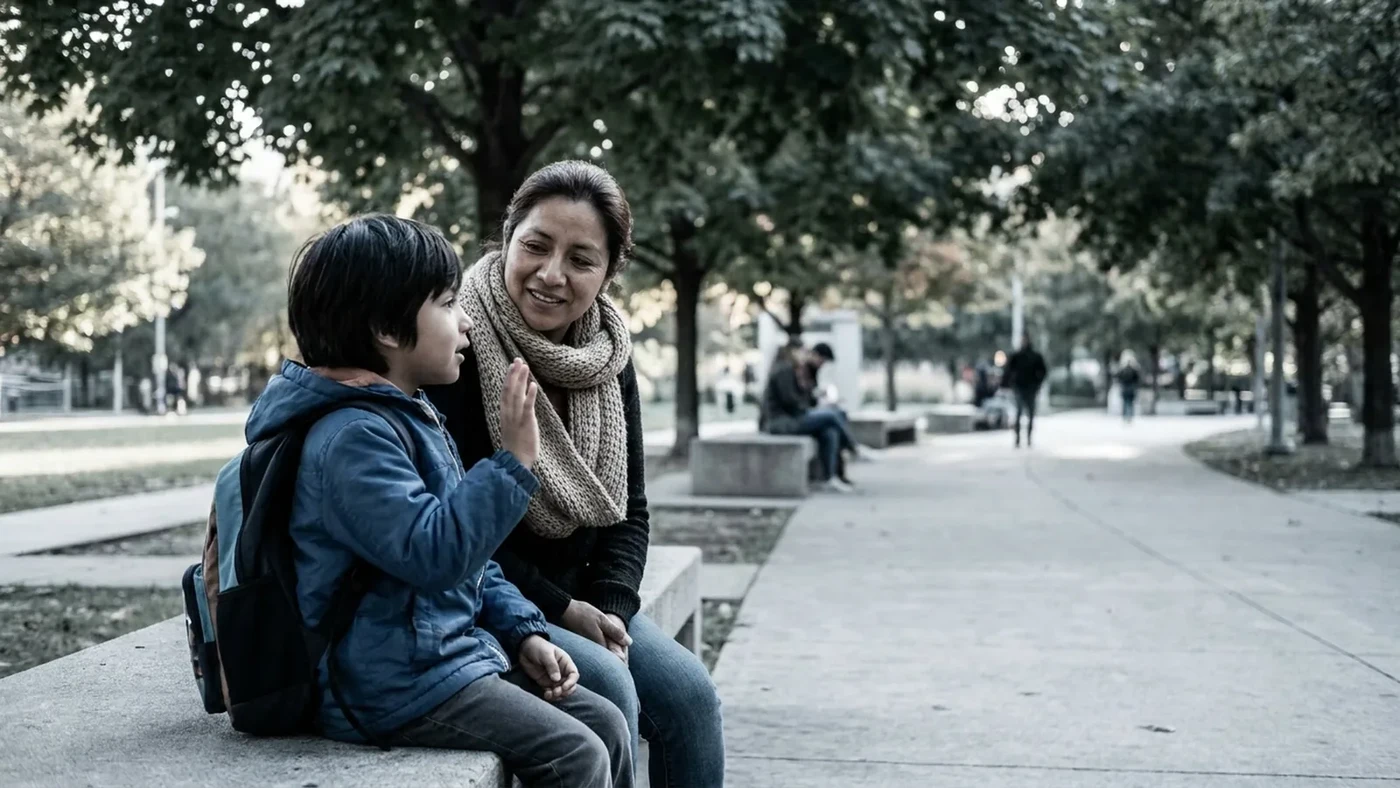
Your nine-year-old has been invited to a birthday party, and you have read the invitation four times. She wants to go. You want her to go. You also know how the last one ended, with her alone by the snack table while a dozen kids ran past her like she was part of the furniture. The hard part of autism is not always the meltdown at home. Sometimes it is the quiet of a child standing at the edge of a group, wanting in and not knowing the way. Peer-mediated interventions take that exact problem seriously. Instead of only pulling your child aside to drill social skills, they coach the other kids too, so connection can happen in the room where she actually wants it. This guide explains how that works, what the research says, and what it can look like for your child.
Understanding the Framework of Peer-Mediated Interventions
Peers play a crucial role in helping children with autism develop social skills through structured, peer-mediated interventions that facilitate meaningful interactions. Evidence-based practices, such as Peer-Mediated Instruction and Intervention (PMII), emphasize the importance of training typically developing peers to model and promote social behaviors in natural settings.
Training and Strategies
Programs like Integrated Play Groups and Peer Buddy systems create opportunities for children with ASD to engage socially, supported by their peers. Through these interventions, typically developing children are equipped with tools and strategies to initiate and maintain social interactions.
| Strategy | Description | Outcome |
|---|---|---|
| Integrated play groups | Structured activities guiding interaction | Enhanced engagement in play |
| Peer buddy systems | Pairing a typically developing peer with a child with ASD | Increased social interaction rates |
| Video self-modeling | Using videos to demonstrate social skills | Improved understanding and application |
| Feedback techniques | Providing clear feedback on interactions | Boosted motivation and skill acquisition |
Enhancing Learning Experiences
Additionally, incorporating strategies such as video self-modeling and clear feedback helps motivate children with autism and enhance their learning experiences. Fostering supportive peer relationships not only benefits children with autism but also enriches the social experiences of their typically developing peers, leading to mutual growth and understanding in social skills.
Prime Strategies for Enhancing Social Skills
Teaching social skills to children with autism spectrum disorder (ASD) involves a variety of effective strategies aimed at improving communication and interaction.
These strategies, when carefully implemented, build supportive environments that foster social competence and a sense of belonging for children with autism. In our practice, this kind of structured social skills training works best when the reinforcement is consistent across the people a child sees most.
Comparative Effectiveness: PMI and Applied Behavior Analysis
Peer-mediated interventions (PMI) and Applied Behavior Analysis (ABA) are often discussed side by side, but in practice they tend to work best together rather than in competition. PMI emphasizes using typically developing peers to support social interactions, which can make social learning feel more natural and engaging.
Research has found that children participating in peer-mediated work showed gains in social responsiveness, and in our practice our BCBAs frequently build these peer-mediated steps directly into a child's ABA program rather than choosing one approach over the other.
How the two approaches differ
| Feature | PMI | ABA |
|---|---|---|
| Focus | Peer involvement in social interactions | Building and reinforcing target skills |
| Interaction style | Natural interactions through peers | Structured and therapist-guided |
| Strength | Generalizing skills to real friendships | Teaching the underlying skill reliably |
| Best use | Social initiation and engagement | Skill acquisition and behavior support |
How they fit together
Studies looking specifically at social initiation often show strong results for peer-mediated approaches, while ABA remains highly effective for building and reinforcing the underlying skills those interactions depend on. In our practice, the two are not rivals. BCBAs use structured ABA teaching and behavior support to build a skill and reduce the behaviors that get in its way, then use peer-mediated practice to help it generalize to real friendships.
Specific Benefits of PMI
In addition to enhancing social interactions, PMI cultivates a sense of acceptance and understanding among peers. Children participating in PMI not only grow in their social abilities but also contribute to a more inclusive environment in their classrooms and communities. The collaborative aspect of PMI creates a supportive network that can lead to lasting friendships beyond structured interventions.
Research Methodologies and Findings
Research on Peer-Mediated Intervention (PMI) often employs rigorous methodologies to ensure valid results. One common method is the randomized controlled trial (RCT). For instance, a study involving 55 participants aged 4 to 12 provides a clear example of this approach. The RCT design measures the effects of PMI accurately against a control group receiving traditional behavioral therapy.
What empirical evidence supports the benefits of PMI?
The evidence accumulating around PMI is solid. The study above yielded significant improvements in social responsiveness scores for children with autism spectrum disorder (ASD), showing stronger social skills after the intervention.
What statistical outcomes demonstrate PMI's efficacy?
Statistical analysis revealed that participants who underwent PMI experienced a statistically significant decrease in Social Responsiveness Scale (SRS) scores, indicating better social functioning. Beyond these scores, the effectiveness was further substantiated by a broader review of the literature. In one systematic review, researchers screened 416 articles and found 21 studies that met strict inclusion criteria, establishing a moderate strength of evidence for PMI's impact on children and adolescents with ASD, particularly those with mild to moderate autism.
| Methodology | Findings | Implications |
|---|---|---|
| Randomized controlled trials | Improved SRS scores for PMI participants | PMI may strengthen social-skill outcomes |
| Systematic review (21 studies) | Moderate evidence supporting PMI's effectiveness | Encourages broader application in real-world settings |
This review identified moderate evidence supporting PMI, particularly in enhancing social competencies. It also highlights the need for more randomized controlled trials to assess long-term benefits and applicability beyond the immediate academic environment. Through these rigorous patterns of research, PMI stands out as a promising way to support the social skills of children with ASD.
Theoretical Underpinnings: Social Learning in PMI
Peer-mediated interventions (PMI) are predominantly grounded in social learning theory and behaviorism. These theories underscore the value of using socially competent peers to model and reinforce adaptive social behaviors in children with autism spectrum disorder (ASD). By facilitating interactions with typically developing peers, PMI methods capitalize on observational learning, which is fundamental to building social engagement.
The framework suggests that behaviors are learned through observation and imitation, where peers demonstrate appropriate social skills. This matters for children with ASD, who may struggle with social nuances. Behaviorism contributes by focusing on the reinforcement of desired behaviors through structured interventions, helping children learn and apply social skills across contexts.
How does cognitive development impact social learning?
Cognitive development plays a pivotal role in social learning, influencing how children with autism interpret and respond to social cues. PMI promotes not just skill acquisition but also flexible thinking in social situations, helping children better understand and navigate their social environments.
What is the role of peer expectations in PMI?
Peer expectations significantly affect the success of PMI. By reshaping these expectations, interventions can foster a more inclusive environment where typically developing peers are encouraged to engage meaningfully with classmates who have ASD. This shift is essential for more frequent and positive interactions, ultimately improving social integration and support.
Implementation in Educational Contexts: Practical Guidelines
To effectively implement Peer-Mediated Intervention (PMI) in educational contexts, educators and therapists benefit from following structured guidelines. Here is a breakdown of the necessary steps:
Practical Strategies
Some practical strategies include:
Role of Occupational Therapists
Occupational therapists can support PMI by:
Case Study Insights: Real-World Applications of PMI
Case studies show that Peer-Mediated Interventions (PMI) can produce tangible improvements in social interactions among children with autism. One notable example involved a second-grade student with autism who took part in a PMI during recess. After the intervention, this student was observed initiating and responding to social interactions more often, leading to greater integration with peers and less time spent in isolation.
Teachers and families reported that the intervention improved the student's social skills and fostered greater peer acceptance. This highlights how well-structured PMI programs can engage children with autism and promote meaningful social connections in real school settings.
Examples of PMI in action
Programs like the Circle of Friends (CoF) illustrate the power of PMI. In CoF, typically developing peers provide structured support to students with autism, which in turn facilitates friendships and social skills. Participants often report greater empathy and understanding toward their classmates with autism, benefiting the entire peer group by reducing stigma and fostering genuine inclusion.
Reported outcomes and changes observed in real-world settings
In various settings, PMI methods have led to improvements in peer interactions, with trained peers showing increased willingness to engage. Observable outcomes include gains in collaborative play, conversational skills, and sharing behaviors. These changes suggest PMI improves the social skills of children with autism while also enriching the social dynamics of the broader classroom.
Challenges and Limitations in PMI Research
While peer-mediated intervention (PMI) shows promise, several challenges complicate its assessment and application. One significant issue is long-term efficacy. Research indicates that while PMI boosts social skills in the immediate aftermath, there is limited focus on whether those skills are maintained over time. This is one reason our BCBAs treat generalization as a goal in its own right rather than assuming a skill will stick.
Another challenge lies in the variability of PMI's effectiveness, which may differ across age, cultural context, and individual circumstances. Tailoring interventions to specific groups could improve impact, but that requires more in-depth study.
Research gaps
Current research, while promising, does not sufficiently cover the experiences of older individuals or diverse cultural groups. This limits how broadly findings apply across different populations and contexts.
Diversity in application
To maximize the effectiveness of PMI, researchers must focus on interventions that meet the needs of varying age groups and cultural backgrounds. Strategies to ensure inclusivity and sustained engagement should be explored continuously.
Sociocultural Considerations in PMI
Sociocultural factors significantly shape the effectiveness of Peer-Mediated Interventions (PMI). For the best outcomes, these interventions need to be culturally sensitive, acknowledging the diversity of backgrounds among children with autism spectrum disorder (ASD).
Tailoring interventions to fit specific cultural norms and values can improve social acceptance and engagement. This might involve adapting communication styles, the examples used during training, and the social dynamics that differ across cultures.
Barriers can still get in the way. Language differences may create misunderstandings between peers and children with ASD, while societal norms can shape perceptions of disability and acceptance within peer groups. Community attitudes toward autism can also influence the willingness of typically developing peers to engage with classmates on the spectrum.
It becomes essential, then, to develop culturally attuned and flexible PMI approaches that build peers' social skills while staying mindful of the cultural landscape these children live in. Recognizing and addressing these layers can lead to more successful outcomes.
The Role of Peer Networks in Social Integration
Forming peer networks is key to improving social interactions and acceptance for children with autism. These networks provide a supportive framework in which typically developing peers engage with children with ASD, leading to a more inclusive social environment. This ongoing support helps children build friendships, develop social skills, and navigate social contexts more effectively.
Here are some important aspects of peer networks:
Examples of successful peer networks
Successful examples include programs like Circle of Friends and Peer Buddy systems, which connect children with ASD to their typically developing peers. These initiatives improve the social competence of children with autism and foster mutual friendships that promote inclusivity in school and community settings. Research indicates participants in such networks experience mutual benefits, with peers reporting increased enjoyment and personal growth.
Interactive Tools and Techniques in PMI
Peer-mediated interventions (PMI) leverage various interactive tools to foster engagement among children with autism. These include video modeling, self-monitoring techniques, and creative engagement strategies that can significantly enhance participation and social skills development.
Video Modeling is a core component in many PMIs. It involves recording peers engaging in positive social behaviors and letting children with ASD observe and imitate those actions. This visualization reinforces desired behaviors in a relatable format, making learning more engaging and effective.
Self-monitoring techniques encourage children to take an active role in tracking their social interactions. This can include checklists or apps that help them reflect on their engagement and identify areas to improve. Doing so gives children greater ownership of their social skills, supporting motivation and confidence.
Alongside these tools, creative engagement strategies such as role-playing and interactive games play an essential role in PMIs. These methods make learning enjoyable and encourage participation, raising the chances of building lasting social skills. We see this pattern often: a skill a child nails in a quiet one-on-one session can fall apart the moment a real peer is in the room, because real kids are faster and less predictable than any practice partner. That gap is exactly where peer-mediated work earns its keep.
Expanding PMI to Different Age Groups and Settings
Peer-mediated interventions (PMI) show flexibility across various age groups and contexts. For children aged 3 to 8, peer-initiation training encourages typical peers to engage in constructive social interactions. This helps young children develop foundational communication and social skills through direct interaction and supportive play.
As children grow, particularly between 9 and 18 years, strategies shift toward social networking techniques. These focus on interactions during non-classroom environments such as recess, after-school activities, and community events. Age-appropriate adaptations ensure children receive relevant, engaging social learning that fits their developmental stage.
Flexible settings for intervention implementation
PMI can be applied in settings ranging from classrooms to home environments, emphasizing the program's versatility. For example, the Stay, Play, Talk intervention is designed for preschoolers, letting peer tutors engage with children with autism in both structured and informal settings.
Adaptation strategies for effective outcomes
To strengthen PMI, educators can create positive peer dynamics. This includes altering peer expectations so typically developing peers understand their role in supporting children with autism. Through tailored training sessions and structured peer interactions, both groups can enjoy richer social experiences.
The adaptability of PMI across age groups and settings is essential for meeting the unique needs of children with autism and improving their social skills.
Measuring Success: Outcomes and Evaluation in PMI
To assess the effectiveness of Peer-Mediated Interventions (PMI), researchers use various evaluation metrics. A commonly used tool is the Social Responsiveness Scale (SRS), which measures social communication skills and motivation in children with autism. Studies have shown significant reductions in SRS scores after PMI, indicating improved social capabilities.
Tracking Improvement
Tracking improvement involves systematic data collection throughout the intervention: baseline measurements before starting, ongoing assessments during the program, and follow-up evaluations afterward. In the study of 55 participants aged 4 to 12 noted earlier, children who received PMI showed higher rates of initiating social interactions than peers receiving traditional approaches. This is the same kind of data our BCBAs collect, because progress you can see in numbers is progress you can build on.
Defining Success
Success in PMI can be defined by observable behavioral changes, such as more engagement in social interactions and stronger peer connections. It is also reflected in qualitative feedback from teachers and parents, who often report noticeable increases in social skills and peer acceptance.
| Evaluation aspect | Metrics used | Outcomes |
|---|---|---|
| Improvements in SRS scores | Social responsiveness | Reduced SRS scores indicate success |
| Social interaction rates | Frequency count | Increased interaction rates |
| Feedback from stakeholders | Surveys, interviews | Positive reports of social skills improvement |
Innovation in Peer-Mediated Interventions
The field of Peer-Mediated Interventions (PMI) keeps progressing, with several innovative approaches designed to enhance social skills among children with autism. A notable trend involves virtual reality (VR) technology, allowing children to engage in immersive social scenarios and practice interactions in a controlled yet realistic environment.
The integration of artificial intelligence also holds promise for customizing peer interaction scenarios based on specific needs, leading to more personalized experiences that adapt as children progress.
Exploring Future Opportunities
Future opportunities focus on widening access. There are plans to leverage virtual platforms to reach remote areas and underserved populations, helping more children benefit from tailored social skills training.
Innovative Practices in PMI
Collaborative frameworks involving parents and educators are being emphasized to reinforce learned skills across different contexts. This promotes generalization of social skills, strengthening the impact of PMI in children's daily lives.
Professional Development and Training for PMI Implementers
Professional development is essential for the successful implementation of peer-mediated interventions (PMI). It equips educators and therapists with the skills and knowledge needed to effectively support children with autism. Training programs often focus on several key areas:
Continuous professional development helps maintain competence. This may include:
Investing in ongoing training ultimately improves the effectiveness of PMI, leading to stronger social skills and integration outcomes for children with autism.
Community Integration: Beyond Academic Settings
Peer-mediated interventions (PMIs) matter not just in classrooms but also in broader community settings. Programs like the Circle of Friends (CoF) show that when typically developing peers are trained to support children with autism, social skills improve. This interaction fosters a welcoming atmosphere that extends beyond school walls.
Broader Community Roles
In the community, initiatives using PMIs can lead to greater acceptance of children with autism in various social settings, from parks to extracurricular activities. Encouraging local organizations to include peer-support programs helps ease the apprehension that both neurotypical peers and children with ASD may feel when engaging with each other.
Fostering Social Inclusivity
Efforts to enhance social skills through PMIs ripple outward through family gatherings, community events, and recreational activities. Training peers to initiate and sustain interactions improves social competence among children with autism while enriching the social lives of their peers, creating a more inclusive environment.
In short, integrating PMIs into everyday community activities strengthens social connections and nurtures a sense of belonging for all children. Collaborative efforts can lead to social settings where empathy and understanding flourish.
Conclusion
Peer-Mediated Interventions represent a meaningful shift in how educators and therapists approach social skills development for children with autism. The success of PMI relies on the role of typically developing peers in building inclusive, supportive learning environments. As PMI strategies continue to evolve, they highlight the dynamic nature of social learning and the value of pairing structured teaching with real peer practice. The future of PMI promises a broader range of opportunities for children with autism to thrive socially and within their communities.
Why Mastermind Behavior
Mastermind Behavior is a BCBA-owned and operated in-home ABA therapy provider serving families across New Jersey, Georgia, and North Carolina. Our Board Certified Behavior Analysts (BCBAs) assess each child, design the program, and decide which social targets to work on first. Behavior Technicians then run those goals in real sessions inside your home and your neighborhood, the places where friendships actually start. When social skills are the goal, our BCBAs often build peer-mediated steps right into the plan, setting up structured practice with a sibling or a familiar friend so the skill has somewhere real to land. Parent training rounds it out, because the siblings, cousins, and neighborhood kids your child sees every week are the most available peers there are, and a coached older sister or a willing cousin can do more for generalization than any worksheet. With a 90%+ staff retention rate and no onboarding waitlist, most families begin direct services within six weeks of their initial assessment.
If you are watching your child hover at the edge of the group and you want them in it, tell us what those moments look like, and we will build the plan around the friendships your child is actually reaching for. Schedule a free consultation at mastermindbehavior.com/contact or call us at 732.813.7333. We will talk through what in-home support could look like, with no pressure and no commitment.