The Impact of Positive Reinforcement on Long-Term Behavior Change
Unlocking Lasting Behavioral Change with Positive Reinforcement


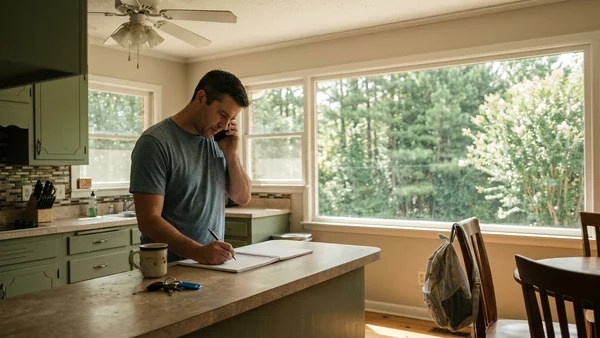
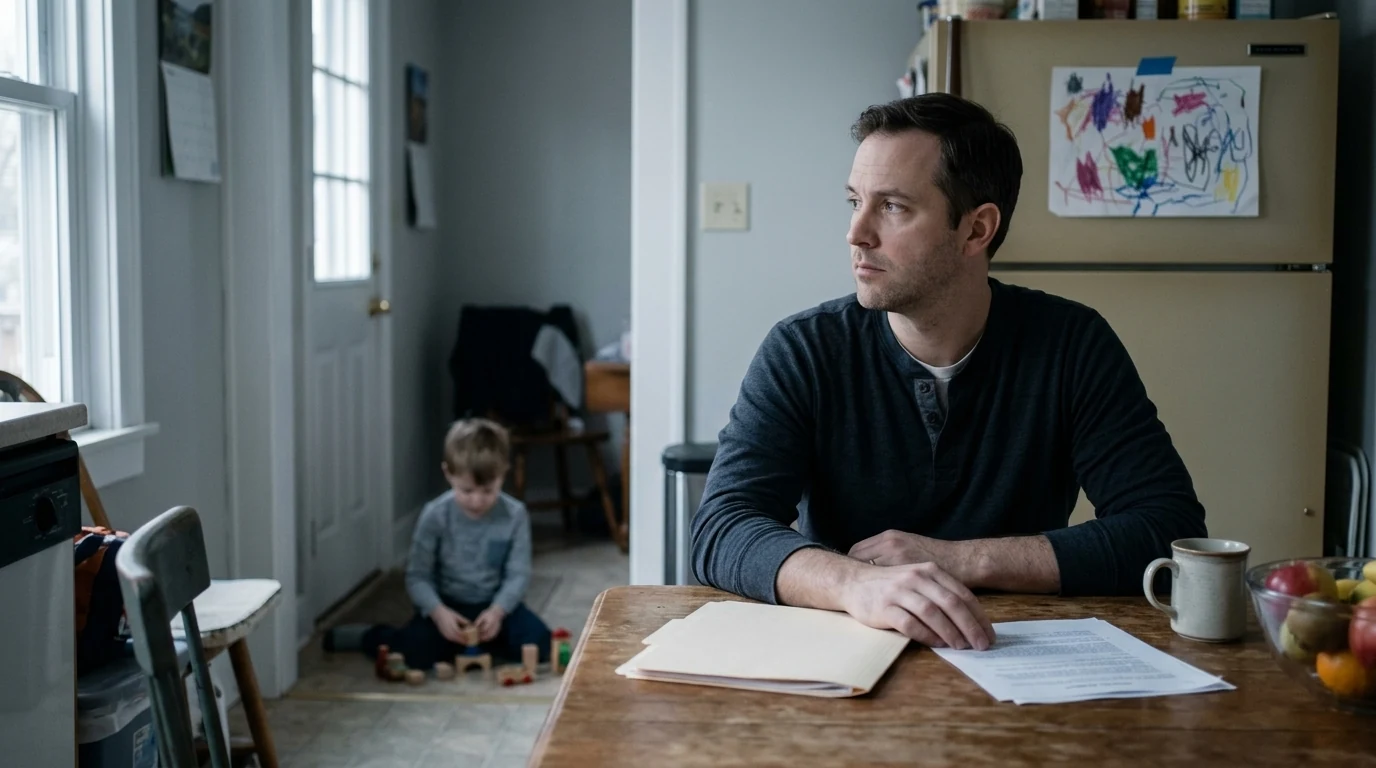
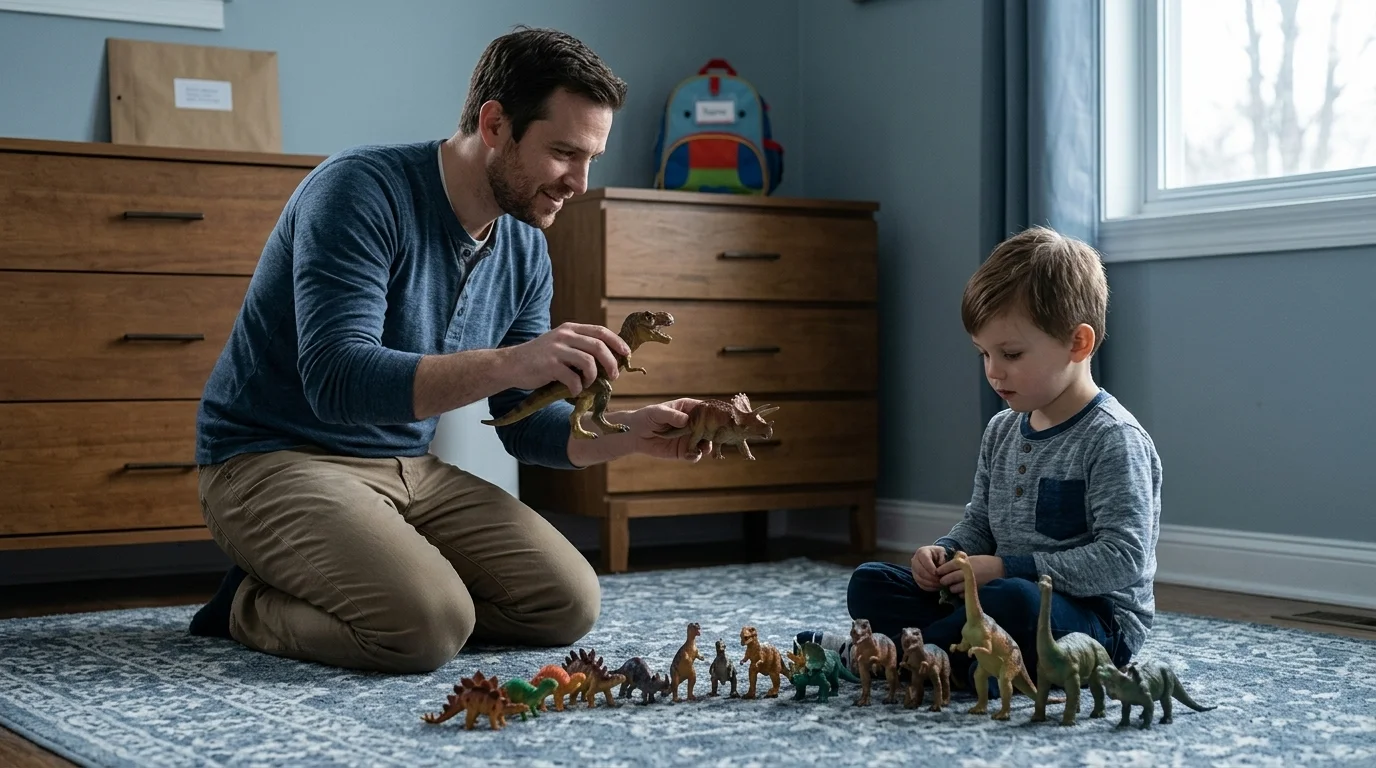
It's Wednesday at 4:30. Your six-year-old with autism has put his shoes by the door three afternoons in a row this week, the same task that, six months ago, ended in tears every time. The sticker chart on the fridge is half-full. You're starting to wonder: is this just the chart, or is something actually changing? In ABA therapy, that question has a name. It's the difference between behavior under reinforcement and behavior that lasts. The third or fourth week is usually when parents start to see it shift, not because the rewards got bigger, but because the new pattern is starting to hold on its own. As BCBAs, this is the moment we work toward in every plan we write. This article walks through how positive reinforcement drives long-term change, why we build treatment plans on it instead of punishment, and what it looks like when a new skill becomes a habit.
What Is Positive Reinforcement?
Positive reinforcement means adding something a child values immediately after a behavior, which makes that behavior more likely to happen again. It is the core teaching tool of applied behavior analysis, and it is how the sticker chart on your fridge is quietly building a habit. It is also a core tool of applied behavior analysis more broadly.
The word "positive" here means something is added, in the arithmetic sense rather than the moral one. Its counterpart, negative reinforcement, means something unpleasant is removed after a behavior, which also makes the behavior more likely. Both strengthen behavior. Punishment is the opposite category: it aims to make a behavior less likely. We'll come back to why our plans lean so heavily on the first of these three.
In our in-home sessions, reinforcers generally fall into four types:
| Type | What it is | What it looks like at home |
|---|---|---|
| Social | Praise, attention, high fives | "You put your shoes away all by yourself!" with real enthusiasm, right away |
| Tangible | A preferred item or treat | Five minutes with a favorite toy after finishing a hard task |
| Token | Symbols exchanged later for a reward | Stickers on the chart that add up to a Saturday trip for ice cream |
| Natural | The built-in payoff of the skill itself | Asking for juice with words and actually getting juice |
That last row is the destination. Every plan we write is designed so that, over time, the skill starts paying for itself and the stickers can retire.
How Reinforcement Creates Change That Lasts
Two things separate reinforcement that builds a lasting habit from a reward system that collapses the week you stop using it.
Timing. Reinforcement works by pairing the behavior with the payoff, and that pairing is strongest when the reward comes immediately. A sticker delivered the moment the shoes hit the mat teaches more than a big prize promised for Friday. This is why our behavior technicians reinforce constantly and instantly in early in-home sessions. We are building the association before we ask it to stretch.
Thinning. Once a behavior is happening reliably, we deliberately reinforce it less often and less predictably. This is called thinning the schedule, and it is the part families rarely see coming: intermittent reinforcement produces behavior that holds up better over time than rewarding every single instance. It is also why the half-full sticker chart in week three can matter more than the overflowing one in week one. The behavior is learning to run on its own momentum, with natural payoffs like independence, praise from a proud parent, and getting what you asked for taking over from the chart.
When parents tell us "he does it even when I forget the sticker now," the plan has reached its goal: the skill is running on its own.
Positive vs. Negative Reinforcement
Parents often use "negative reinforcement" to mean punishment. In ABA it means something narrower: taking away something unpleasant after a behavior, which strengthens that behavior. If a child finishes a disliked chore and the nagging stops, the quiet is negative reinforcement.
Both types strengthen behavior, but they build different motivations. Positive reinforcement teaches a child to act in order to gain something good. Negative reinforcement teaches a child to act in order to escape something unpleasant. A plan built mostly on escape produces compliance that is brittle and tinged with avoidance. A plan built on earning produces engagement, and engagement is what generalizes to school, to grandma's house, and to the years after therapy ends. That is why, when we design a behavior intervention plan, positive reinforcement carries the weight and negative reinforcement is used sparingly and deliberately.
Why We Build Plans on Reinforcement, Not Punishment
Punishment can suppress a behavior quickly, which is exactly why it is tempting and exactly why it disappoints. It tells a child what not to do without teaching what to do instead, so the underlying need that drove the behavior finds another outlet. It also erodes the relationship the whole plan depends on: children who mostly experience consequences learn to avoid the adult, not the behavior.
Challenging behavior is almost always communication. A child who lacks the words or tools to express a need will use the behavior that works. So instead of punishing the behavior, we identify what it is asking for and teach a better way to ask, then reinforce that new way heavily. The challenging behavior fades because it has become unnecessary. This is the approach our BCBAs take in every functional behavior assessment, and it is why decades of research in applied behavior analysis consistently favor reinforcement-based teaching for durable change.
What This Looks Like in an In-Home Session
Reinforcement sounds simple until you try to do it at 5 p.m. on a hard day, which is why so much of our work is about doing it precisely. In a typical Mastermind in-home program:
- We find out what actually motivates your child, rather than what we assume should. A preference assessment tells us whether it's bubbles, deep pressure, a specific song, or thirty seconds of a spinning top. Reinforcement only works if the reinforcer is real.
- We pair every reinforcer with praise. The toy comes with "you did it!" so that, over time, the praise alone starts to carry value. Social reinforcement travels everywhere your child goes; a prize box stays home.
- We reinforce effort on the way to mastery. Early on, an approximation of the skill earns the reward. The bar rises as the child does.
- We thin the schedule on purpose. As the skill stabilizes, reinforcement becomes less frequent and less predictable, then hands off to natural consequences.
- We train you to run it. Parent training is where the plan stops being ours and becomes yours. The goal is that the strategies survive contact with real life: siblings, bedtime, the grocery store.
Using Positive Reinforcement at Home This Week
You don't need a clinical program to start. A few rules of thumb we give every family:
- Reinforce immediately. Within seconds, not minutes. The pairing is the teaching.
- Name the behavior. "Great job putting your plate in the sink" teaches more than "good job."
- Catch them being good. Reinforce the quiet moments of the behavior you want, not just the recovery after the behavior you don't.
- Keep rewards small and frequent rather than large and rare, especially at the start.
- Let natural payoffs take over. When the skill starts producing its own reward, step the chart back gradually rather than all at once.
And if a reward system has stopped working, the usual culprits are a reinforcer that lost its value, a delay that got too long, or a bar that rose too fast. All three are quick adjustments a plan can absorb.
Frequently Asked Questions
Is positive reinforcement just bribing my child?
No. A bribe is offered before or during a behavior to stop or start it, usually in the heat of the moment. Reinforcement is delivered after the behavior, according to a plan, and is systematically faded as the skill takes hold. Bribes grow; reinforcement shrinks.
Will my child become dependent on rewards?
Not if the plan includes thinning. Reinforcement is deliberately faded from constant, to intermittent, to natural consequences. Dependence happens when every instance is rewarded forever, which is precisely what a well-run plan avoids.
How long until positive reinforcement starts working?
Most families see movement on a specific, well-targeted behavior within a few weeks when reinforcement is immediate and consistent. The shift from "does it for the sticker" to "just does it" typically takes longer and is the part a BCBA plans for from day one.
What's the difference between positive reinforcement and negative reinforcement?
Positive reinforcement adds something valued after a behavior. Negative reinforcement removes something unpleasant after a behavior. Both make the behavior more likely; neither is punishment, which aims to make behavior less likely.
Why Mastermind Behavior
Mastermind Behavior is a BCBA-owned and operated in-home ABA therapy provider serving families across New Jersey, Georgia, and North Carolina. We believe skills are best taught where children will actually use them, so our BCBAs and Behavior Technicians come to your home, learn your family's rhythm, and build reinforcement strategies into the routines you already have. With a 90%+ staff retention rate and no onboarding waitlist, most families begin direct services within six weeks of their initial assessment.
If you're exploring ABA therapy for your child and wondering whether the early progress will hold, schedule a free consultation or call us at 732.813.7333. We'll walk you through what's possible and help you figure out the right next step, with no pressure and no commitment.
References