How to Foster Generalization of Learned Skills
Enhancing the Application of Skills Across Contexts
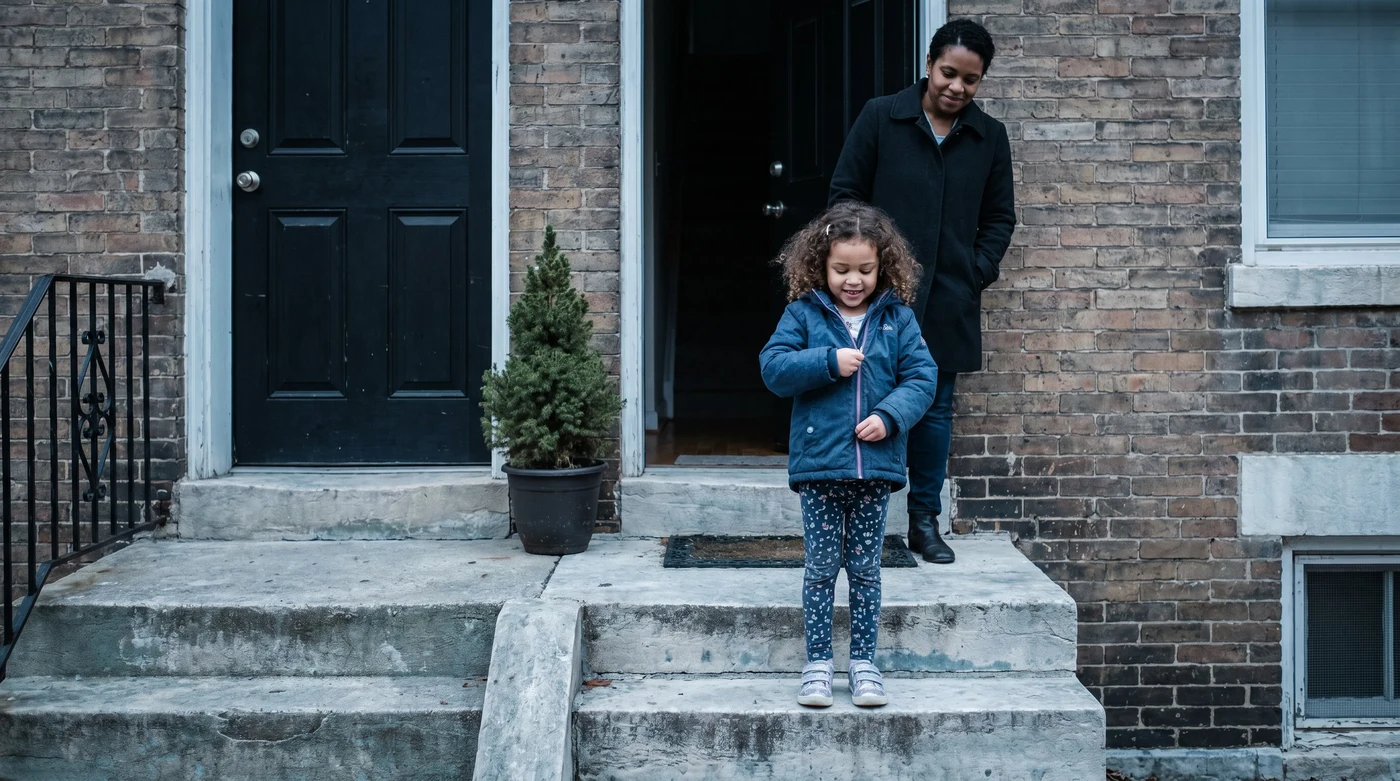
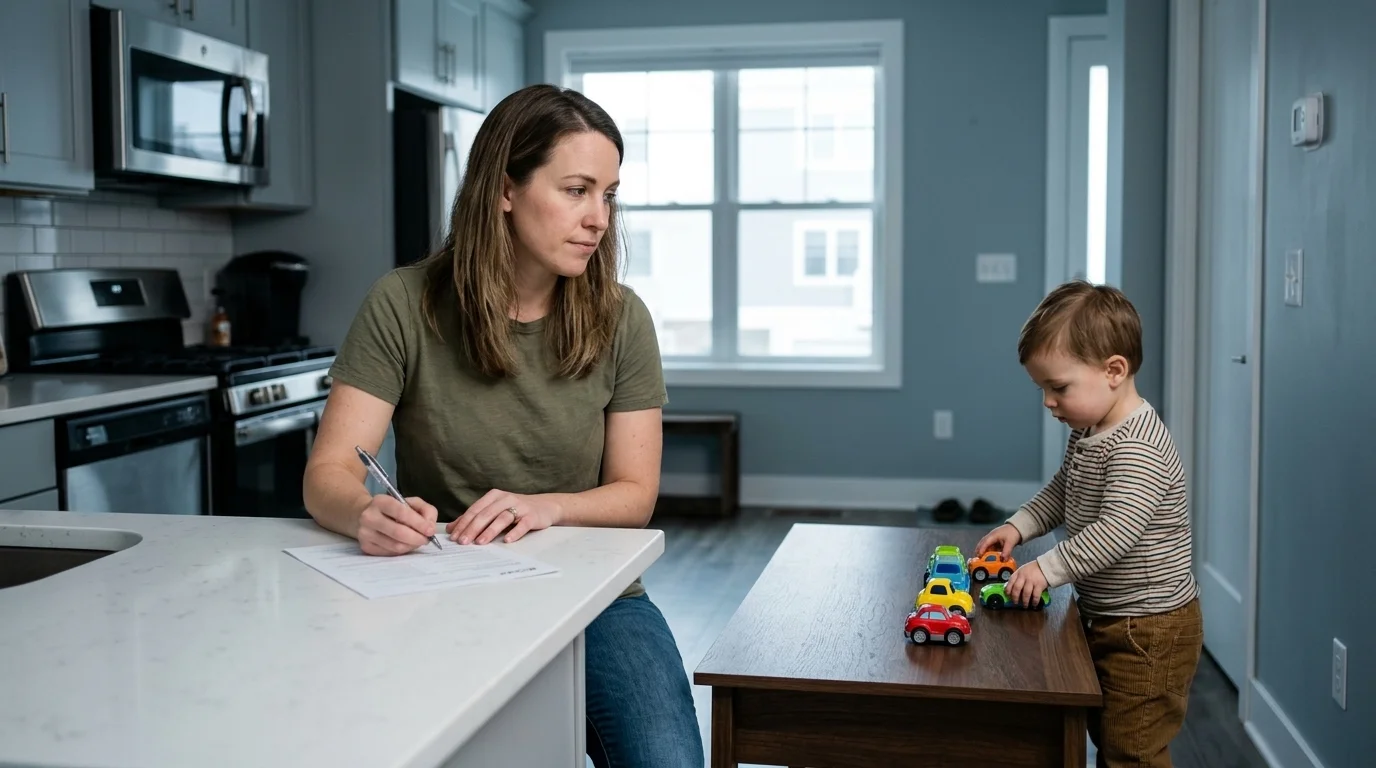
In session, your daughter says "more, please" every time she wants another turn. At dinner, with the same want in her eyes, she's silent. The skill exists; it just hasn't traveled yet. In ABA that traveling has a name, generalization, and it's treated as a goal to be engineered rather than a bonus to be hoped for. A skill that only shows up for one person, in one room, with one set of materials, is a skill half-taught.
What Is Generalization in ABA?
Generalization means a learned skill transfers beyond the exact conditions it was taught in: to new settings, new people, new materials, and new situations, and keeps working over time. It's the difference between performing a skill in therapy and owning it in life, and modern ABA treats it as something programmed into teaching from the start.
The Three Types of Generalization
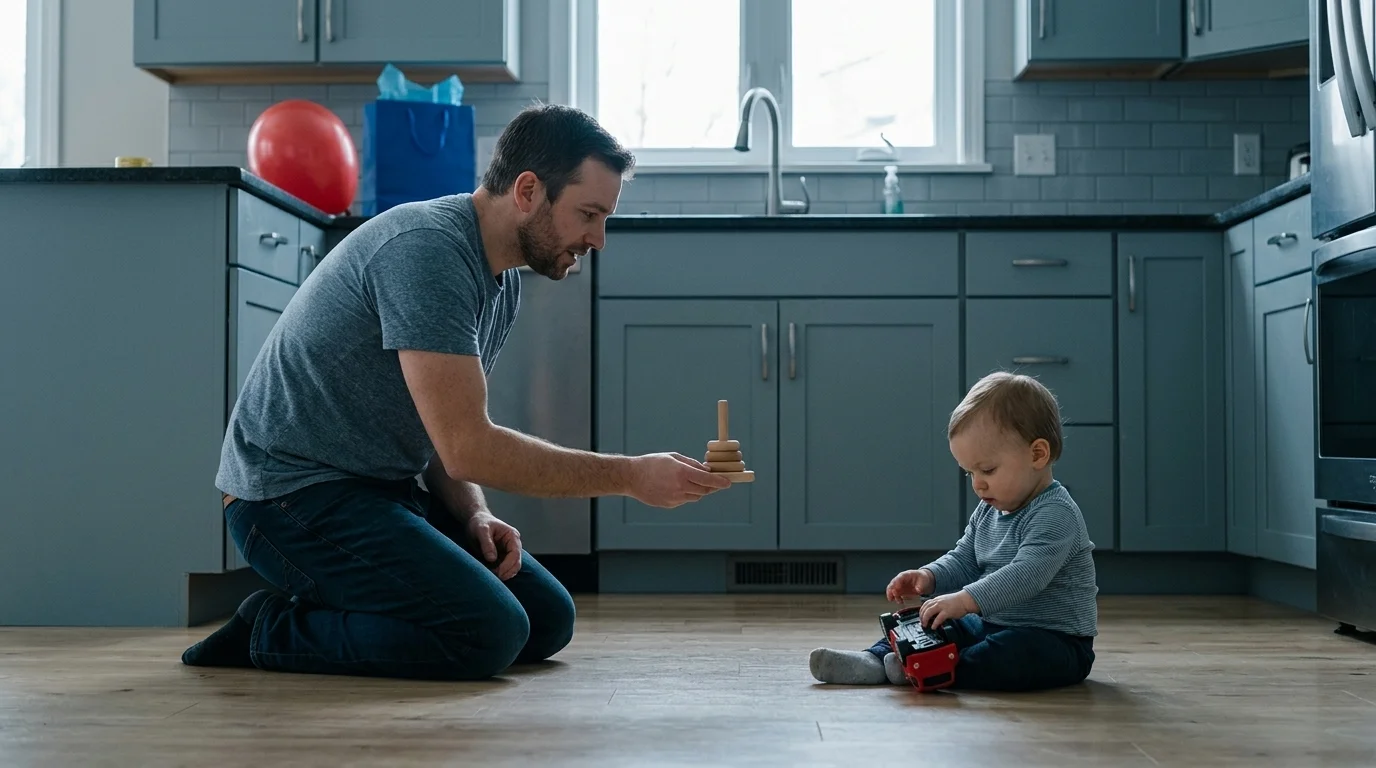
- Stimulus generalization. The skill works across new settings, people, and materials: "more, please" learned with the therapist also comes out at dinner with dad, and at grandma's table. The behavior stays the same while the conditions vary.
- Response generalization. The learning spreads to related behaviors that were never directly taught: a child taught to wave hello starts saying "hi," or a child taught to open one container figures out different lids. The goal stays the same while the behavior varies.
- Maintenance. The skill persists after teaching ends. A skill mastered in March that's gone by June was never finished, which is why programs schedule maintenance checks on retired targets rather than assuming mastery is permanent.
How ABA Programs Generalization
Generalization has been studied for decades, and the field has a toolbox of named strategies for producing it on purpose:
- Multiple exemplar training. Teach with many versions of everything: different people give the instruction, different materials, different phrasings, so the child learns the concept rather than a single script.
- Training loosely. Deliberately vary the non-essential details of teaching, the tone, the seating, the time of day, so the skill never gets welded to one exact setup.
- Using natural contingencies. Steer skills toward payoffs the real world already provides. Asking for juice produces juice; greeting a peer produces a playmate. Skills hooked to natural reinforcement maintain themselves after the therapist stops delivering rewards.
- Programming common stimuli. Bring elements of the real environment into teaching, the child's own cup, the actual backpack, the real doorbell, so the trained situation and the real situation share cues.
- Teaching in the natural setting. The most direct strategy of all: teach the skill where it will be used, and there's nothing to transfer.
Why In-Home Therapy Has a Head Start
That last strategy is the reason Mastermind delivers therapy in the home. When mealtime skills are taught at your table, with your dishes, during your actual dinner, the biggest generalization gap in clinic-based therapy, from the therapy room to the house, never opens. Our BCBAs still program the rest deliberately: sessions rotate across rooms and family members, community outings extend skills to the store and the playground, and parent training makes you a teaching environment that's present at every meal we're not. Generalization criteria are written into targets from the start, so a skill counts as mastered only when the data shows it working across settings and people, the standard covered in our guide to the stages of skill acquisition.
What Parents Can Do
- Ask what's mastered, then use it. Skills that live only in session hours stall. Fold the current targets into daily routines the same week they're taught.
- Vary on purpose. Have siblings and both parents run the same strategies; ask for the skill in different rooms and different words.
- Let natural payoffs happen. When your child uses a new request, honor it fast. The real world paying off is what makes therapy stick.
- Revisit old wins. Occasionally call on retired skills. If one has faded, tell your BCBA; maintenance checks exist for exactly this.
Frequently Asked Questions
What is generalization in ABA?
Generalization is when a learned skill transfers beyond its teaching conditions, to new settings, people, materials, and related behaviors, and continues over time. ABA programs it deliberately using strategies like multiple exemplar training, training loosely, and teaching with natural reinforcement.
What is the difference between stimulus generalization and response generalization?
Stimulus generalization is the same behavior occurring under new conditions, such as a request learned with a therapist appearing at dinner with a parent. Response generalization is new, untaught behaviors emerging that serve the same goal, such as a child taught to wave beginning to say hello.
Why does my child use a skill in therapy but not elsewhere?
The skill is under stimulus control of the teaching situation: it's attached to the specific person, place, or materials it was learned with. This is common and fixable. Varying who asks, where, and with what, and reinforcing the skill outside session, teaches it to travel.
What is maintenance in ABA?
Maintenance is a skill continuing after teaching stops. Programs support it by thinning reinforcement toward natural payoffs and scheduling periodic checks on mastered targets, so skills that begin to fade get caught and refreshed.
Why Mastermind Behavior
Mastermind Behavior is a BCBA-owned and operated in-home ABA therapy provider serving families across New Jersey, Georgia, and North Carolina. We believe skills are best taught where children will actually use them, at the dinner table, on the playground, in the bathroom mirror, so our BCBAs and Behavior Technicians come to your home, learn your family's rhythm, and design generalization into every program from the start. With a 90%+ staff retention rate and no onboarding waitlist, most families begin direct services within six weeks of their initial assessment.
If you're exploring ABA therapy for your child, schedule a free consultation or call us at 732.813.7333. We'll walk you through what's possible and help you figure out the right next step, no pressure, no commitment.